
Cabinet handle lock torque can refer to tightening the mounting nut or turning the installed mechanism. Static load is a separate force measurement. On INMAX MS324 the two torque entries happen to have the same numerical value. Keep their labels alongside the numbers when comparing an assembly setting with an operating limit.
Jump to buyer FAQs / Product pages and sources
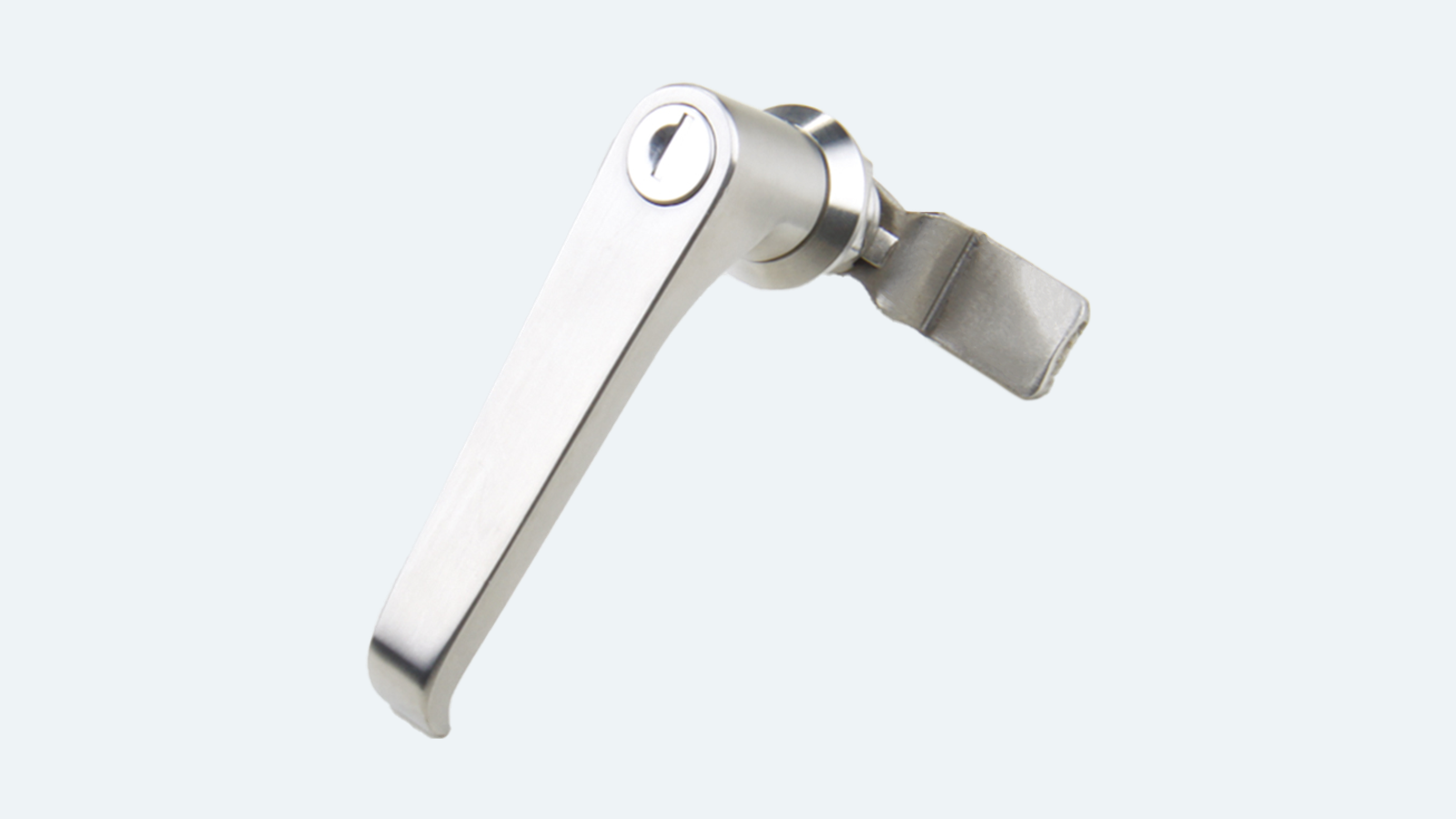
Use mounting nut torque in the assembly record
The mounting nut fixes the lock body to the door. Its tightening torque belongs in the assembly record with the panel, washers and other hardware used in that installation. Ask the supplier to identify the nut on the drawing and confirm the mounting arrangement covered by the recommendation. A coating, reinforcing plate or different washer stack is worth showing in the enquiry.
Ask how the handle is driven
Input torque describes torque applied to the lock's operating mechanism. If the catalogue gives a maximum input torque, record it as a limit. If the project needs an operating effort comparison, request the measured torque to turn the handle under the proposed setup as a separate field. A seal and keeper can change what is happening at the cam, so include the intended door and frame arrangement.
When the buyer measures force at the handle, record the point of application and lever distance as well as the force. That gives the supplier enough information to interpret the torque instead of comparing two handle force readings taken at different distances from the pivot.
Find out where the static load was applied
A static load figure is expressed as a force, commonly in newtons. Ask which component was loaded, in which direction and with the lock in which position. Ask for the fixture, panel and keeper arrangement if the figure is being used to compare quotations. A pull at the handle and a force on the latched cam describe different tests.
Use N for a force such as a static load, and N·m for a torque. That distinction matters when two catalogue columns sit beside each other. NIST lists the SI units for force and torque.
For example, the INMAX MS324 product record lists maximum static load, recommended nut tightening torque and maximum input torque in separate fields. The corresponding MS324 drawings identify the assembly geometry. Use the model record to name the quantities in your enquiry and the drawing to identify the mounting hardware and operator under discussion.
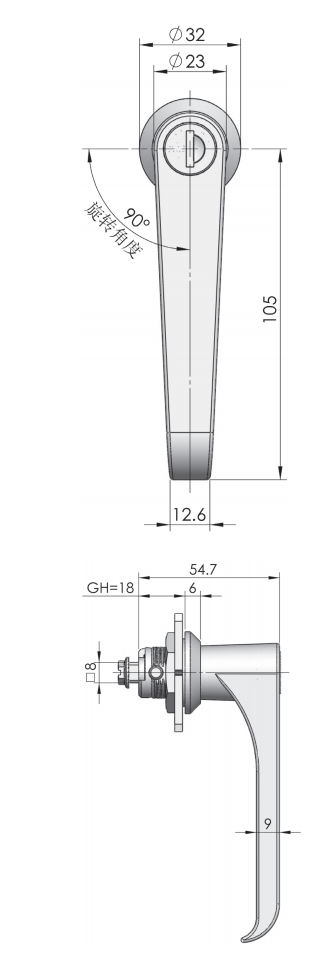
Use the same fields on every quote
| Quote field | Unit | Context to put beside the value |
|---|---|---|
| Recommended mounting nut tightening torque | N m | Fastener, washer stack, mounting condition and drawing reference |
| Maximum input torque | N m | Where torque is applied and the mechanism position |
| Measured operating torque, if needed | N m | Door, seal and keeper arrangement, direction of operation and measurement point |
| Static load | N | Loaded part, force direction, latch position and fixture or test reference |
Keep the supplier's field name next to any term used in your own worksheet. If the quote only gives a value and unit, leave the test details as questions so they can be resolved before you compare two offers.
Reading the MS324 cabinet handle lock torque entries
Two MS324 catalogue entries carry the same number. The field name determines where purchasing or assembly should use it.
| MS324 catalogue entry | Where the figure belongs |
|---|---|
| Recommended nut tightening torque — 20 N⋅m | Enter it against the mounting nut in the assembly record, together with the panel and washer arrangement. |
| Maximum input torque — 20 N⋅m | Enter it as the limit on input to the operating mechanism. If the buyer needs everyday opening effort, request a separate measurement with the intended keeper and seal. |
| Maximum static load — 230 N | Enter it in the force column. Ask where the load was applied and in which direction before comparing it with another assembly. |
Include the planned assembly in the enquiry
Send the lock model, finished door thickness, fixing arrangement, keeper position and the load case or operating requirement your team wants to compare. If you plan a sample review, state what the supplier should demonstrate and which assembly drawing applies. Request a cabinet handle lock quotation, browse INMAX handle locks, or use the cabinet lock RFQ checklist to complete the rest of the purchasing brief.
Product pages and technical references
- INMAX product pages
- INMAX MS324
- Technical references
- NIST Special Publication 330, section 2 — SI units
Cabinet handle lock torque FAQ
Which torque value belongs on the assembly instruction?
Use the mounting nut torque specified for the exact model and assembly. MS324 lists 20 N·m as the recommended nut tightening torque. Keep its separate maximum input torque field labelled even though the two values happen to match.
Does the maximum input torque give the effort required to open the door?
It gives the published limit for the input. For operating effort, request the test conditions and the measured effort with the nominated cam, keeper position and door load.
Can a static load in newtons be converted directly into handle torque?
The loading point and perpendicular distance from the pivot are needed to relate a force to a moment. Ask for the test drawing and the load direction. Compare equivalent test arrangements when evaluating cabinet handle lock models.